12 October 2026
Why Craft Marijuana Buds Have Become the Gold Standard for Connoisseurs
Presented by @thecraftmarijuanabudscentral
For years, the cannabis market was driven by volume. Growers focused on yield per square foot, and the result was often a uniform, forgettable product that did the job but offered little else. That has changed. As more consumers develop a palate for nuance and quality, a new standard has emerged: craft marijuana buds. These are not mass-produced commodities. They are the result of careful genetics, deliberate growing methods, and a level of attention that mirrors what you would find in a small-batch winery or a microbrewery. The difference is not just in the name. It is in the experience.
What Makes Cannabis Craft
The term "craft" has been borrowed from food and beverage industries, and it applies to cannabis in a similar way. A craft grower is not trying to maximize output at the expense of character. Instead, they focus on the plant itself. They choose specific genetics for their terpene profile and cannabinoid content, not just their hardiness. They often grow in smaller rooms where they can control the micro-climate with precision, adjusting humidity, temperature, and airflow to bring out the best in each strain.
This approach extends to how the plant is cultivated. Many craft growers prefer organic methods, avoiding synthetic fertilizers and pesticides that can mask the plant's natural flavors. Some rely on sun-grown techniques that harness full-spectrum light, while others use hydroponics for more control over nutrients. Neither method is inherently superior, but both require skill and experience. The best growers know that the plant's root zone, its light cycle, and even the microbial life in the soil all contribute to the final product.
The Role of Harvest and Curation
One of the most telling signs of a craft operation is how they handle harvest. Mass producers often cut corners by machine-trimming the buds, which can damage the delicate trichomes that hold the plant's potency and flavor. A craft grower, by contrast, insists on hand-trimmed flower. This is slower and more expensive, but it preserves the integrity of the trichomes and results in a cleaner, more aromatic product. When you open a jar of craft cannabis, you should see the fine, crystalline heads of the trichomes still intact, not shaken off by rough handling.
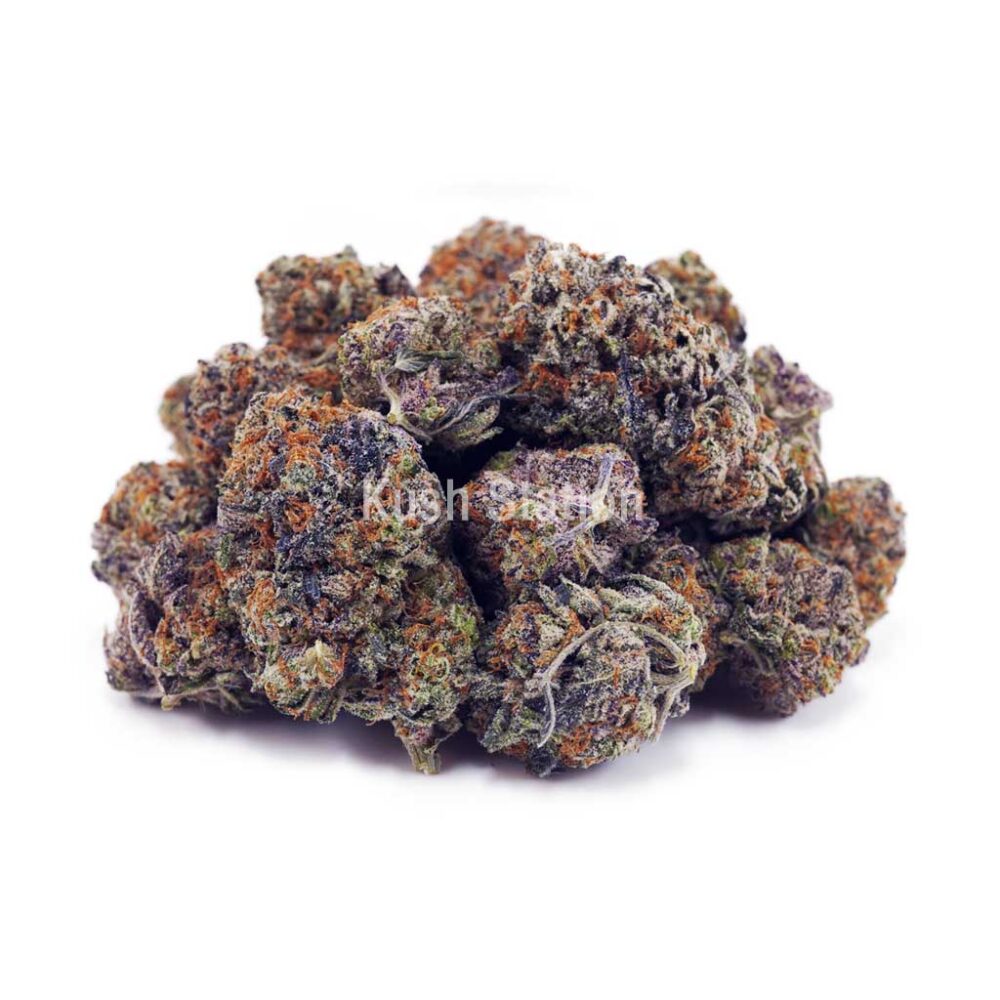
After harvest, the curing process becomes critical. Craft growers typically store their flower in glass jars, often with Boveda packs to maintain optimal humidity during the cure. This step allows the chlorophyll to break down and the terpenes to mature, which smooths out the smoke and deepens the flavor. A rushed cure, common in large-scale operations, leaves the flower harsh and one-dimensional. The patience of a craft grower pays off in every puff.
Understanding Effects Through Terpenes and Cannabinoids
When people talk about the effects of a strain, they often default to the classic categories: indica, sativa, and hybrid. While these terms are a useful shorthand, the real story lies in the plant's chemical composition. The trichomes contain hundreds of compounds, including cannabinoids like THC and CBD, as well as a wide array of terpenes that influence both aroma and experience. A craft grower pays close attention to this chemistry. They might select a strain for its high myrcene content, which is associated with sedative effects, or for its limonene, which can elevate mood.
This is where craft marijuana buds truly shine. Because the grower has controlled every variable, the final product has a consistent and pronounced terpene profile. You are not guessing what you are getting. A well-grown indica will deliver the deep relaxation it promises, while a sativa will provide the clear-headed energy you expect. Hybrids, when crafted well, can offer the best of both worlds, with a balanced effect that suits a range of activities or times of day.
Why Presentation Matters
Anyone who has bought cannabis from a dispensary knows that the packaging can vary wildly. For craft cannabis, the presentation is part of the experience. The flower is often sold in glass jars that preserve freshness and allow you to see the product before you buy. The jars might be labeled with the strain name, the grower's name, and a brief note on the terpene profile. This transparency builds trust. You know exactly what you are getting, and you can see the quality of the trichomes and the cut of the flower.
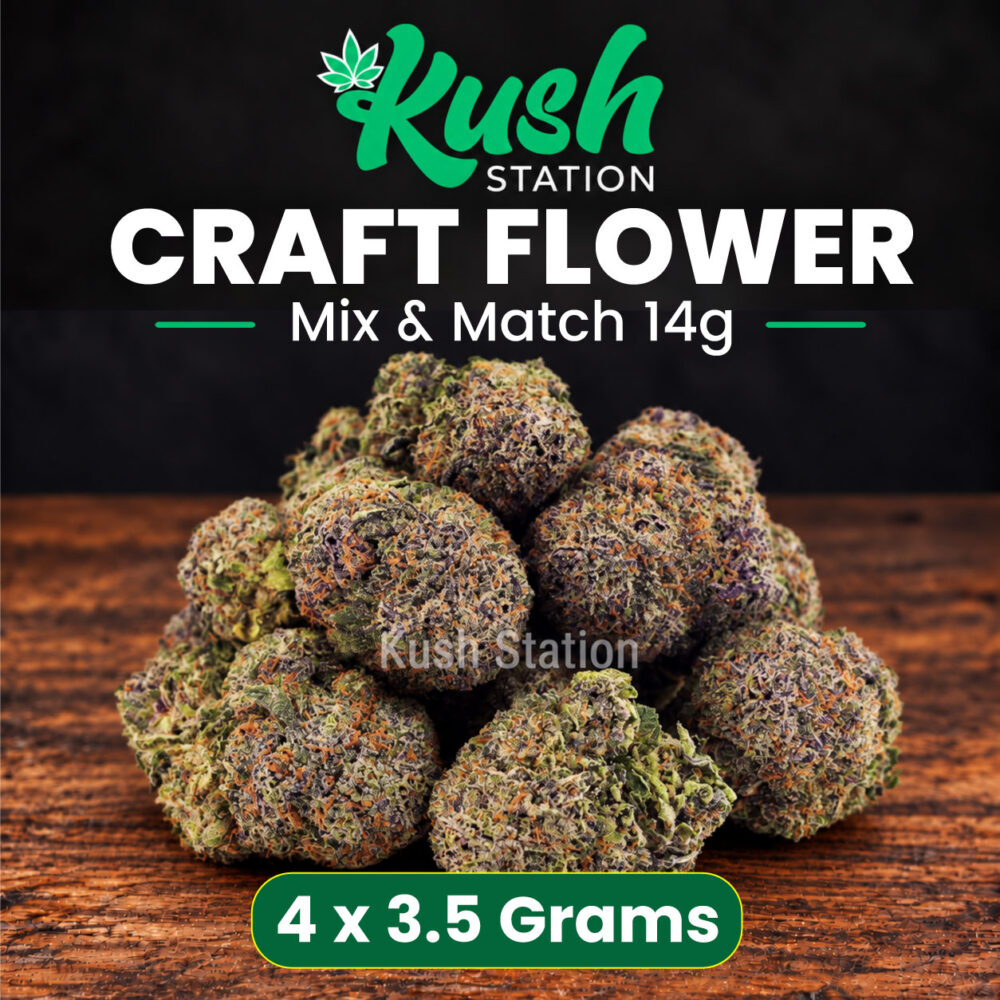
Some producers also offer curated bundles, which are collections of strains chosen to complement each other. For example, a bundle might include a daytime sativa, an evening indica, and a balanced hybrid, allowing you to explore different effects without committing to a large quantity of any one flower. These bundles are a practical way to sample the work of a particular grower or to discover new favorites.
Small-Batch Production and Consistency
One of the misconceptions about small-batch growing is that it leads to inconsistency. In practice, the opposite is true. When a grower works with a limited number of plants, they can monitor each one individually. They can spot a nutrient deficiency early, adjust the light spectrum for a particular canopy, and harvest each plant at its peak. This level of care produces a more uniform batch than any assembly-line approach ever could.
That said, small-batch does have trade-offs. It is more labor-intensive, which means higher prices for the consumer. Not everyone is willing to pay a premium for hand-trimmed, organic flower when a cheaper option is available. But for those who value flavor, potency, and a clean burn, the investment is worthwhile. The difference between mass-market cannabis and craft cannabis is similar to the difference between a fast-food burger and a dry-aged steak. Both will fill you up, but only one leaves a lasting impression.
How to Choose the Right Craft Product for You
If you are new to craft marijuana buds, start by thinking about what you want from the experience. Are you looking for relaxation after a long day? A strain high in linalool or myrcene, often found in indica-dominant genetics, might be your best bet. Do you need focus for a creative project? A sativa with a bright, citrusy terpene profile could help. Do you want something in the middle? A hybrid that leans slightly one way or the other can offer versatility.
Here are a few practical tips for selecting and storing craft flower:
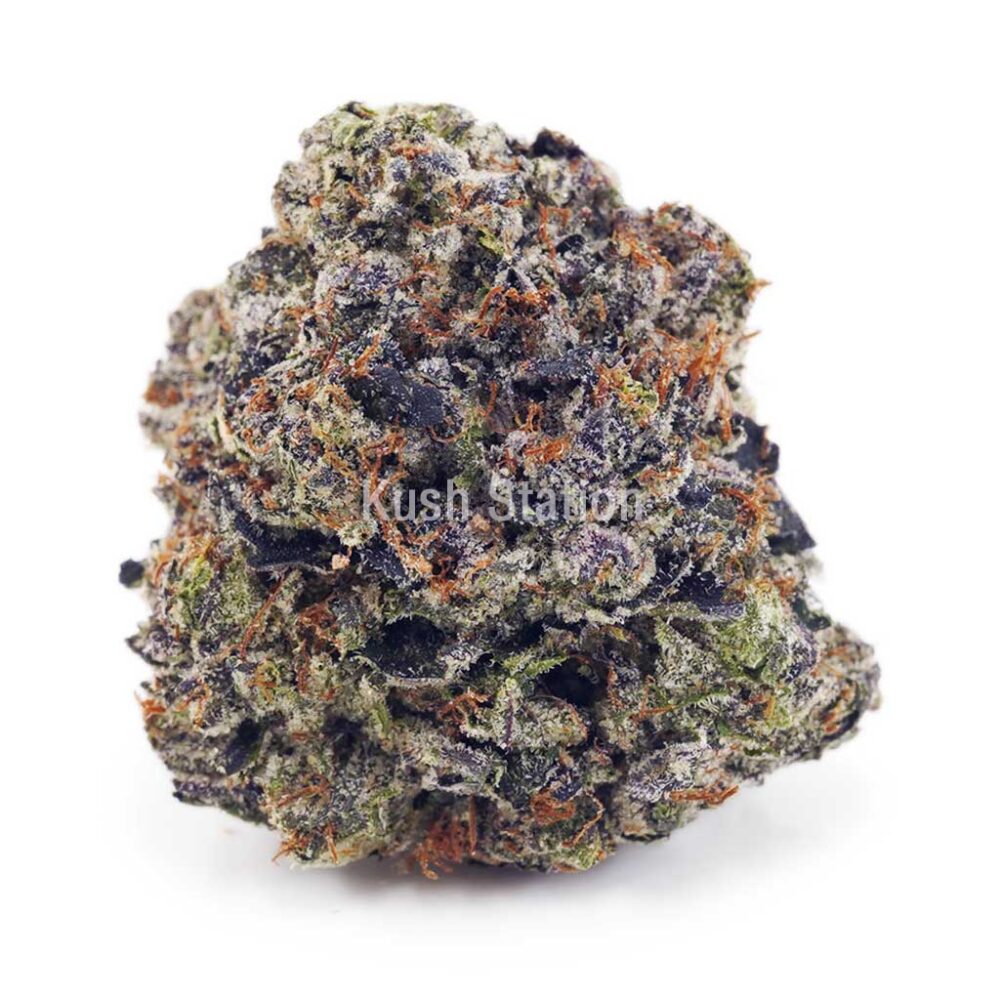
- Look for visible trichomes. The more intact the crystal heads, the fresher the flower.
- Check the moisture level. The bud should feel slightly springy, not dry and crumbly.
- Ask about the cure. A proper cure takes at least three to four weeks, sometimes longer.
- Store your flower in a cool, dark place in a glass jar. Avoid plastic bags, which can degrade the trichomes.
- Consider a pre-roll if you want to sample a strain without buying a full eighth. Many craft producers offer hand-rolled pre-rolls made from their small-batch flower.
The Future of Craft Cannabis
As more states and countries move toward legalization, the market is maturing. Consumers are becoming more educated about what they are buying, and they are demanding higher standards. This is good news for craft growers, who have always prioritized quality over quantity. It also means that the definition of "craft" may evolve. We may see more emphasis on sustainable farming practices, on regenerative agriculture that improves the soil rather than depleting it. We may also see a greater focus on genetics, with breeders developing new strains that offer novel terpene profiles or enhanced cannabinoid ratios.
For now, the best way to support the craft movement is to vote with your wallet. Choose artisanal products over mass-produced ones. Learn to appreciate the subtleties of a well-grown flower, from the way it smells to the way it burns. The craft marijuana buds available today represent years of dedication from growers who treat cannabis as a botanical art form rather than a cash crop. That dedication is what makes the experience special, and it is worth seeking out.